Teriyaki Madness began offering Zipline drone delivery from its Denton, Texas, restaurant on Thursday, October 15. The service is live at 3400 North Interstate 35, according to local drone-industry reporting, making one restaurant the concrete starting point for a broader Texas announcement.
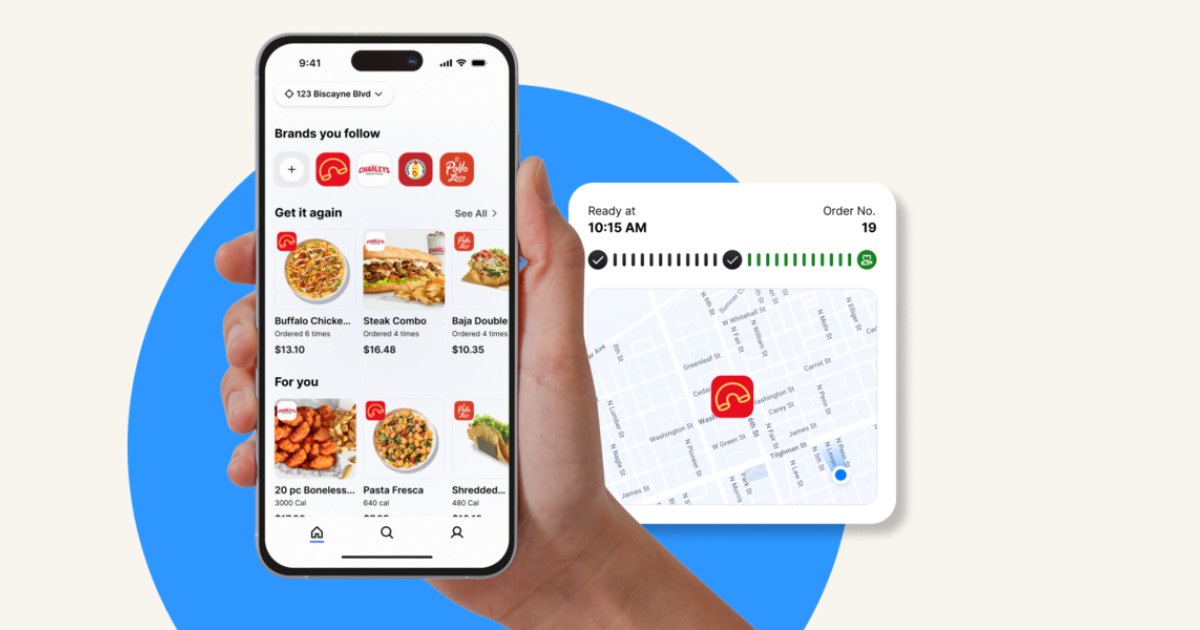
Customers place orders through the Zipline app rather than the Teriyaki Madness ordering flow described in the release. Zipline’s autonomous aircraft travels to the delivery location while remaining hundreds of feet above the ground, then lowers a small delivery pod on a tether. The pod is designed to descend to about six feet for retrieval before returning to the aircraft.
The restaurant company says most orders arrive in less than five minutes. That is a company performance claim, not an independently measured service-level guarantee. The announcement does not publish a fee, minimum order, delivery radius, eligible-address map, operating schedule or weather policy. Customers will need to check the Zipline app to determine whether a particular address and order qualify.
The rollout language deserves a careful read. Teriyaki Madness says it plans to expand drone delivery to additional Texas shops and references Dallas-Fort Worth and Houston. As of the evidence reviewed by Braisepoint, however, the Denton restaurant is the only Teriyaki Madness location explicitly identified as operational. No second store or launch date is named.
That gap is important for restaurant operators and customers. Announcing a regional partnership is not the same as making service available across a metro area. Drone delivery depends on launch infrastructure, airspace, range, approved drop locations and a customer address that can receive the tethered pod. Until the partners publish store-level availability, the accurate consumer message is “live in Denton,” not “available throughout DFW and Houston.”
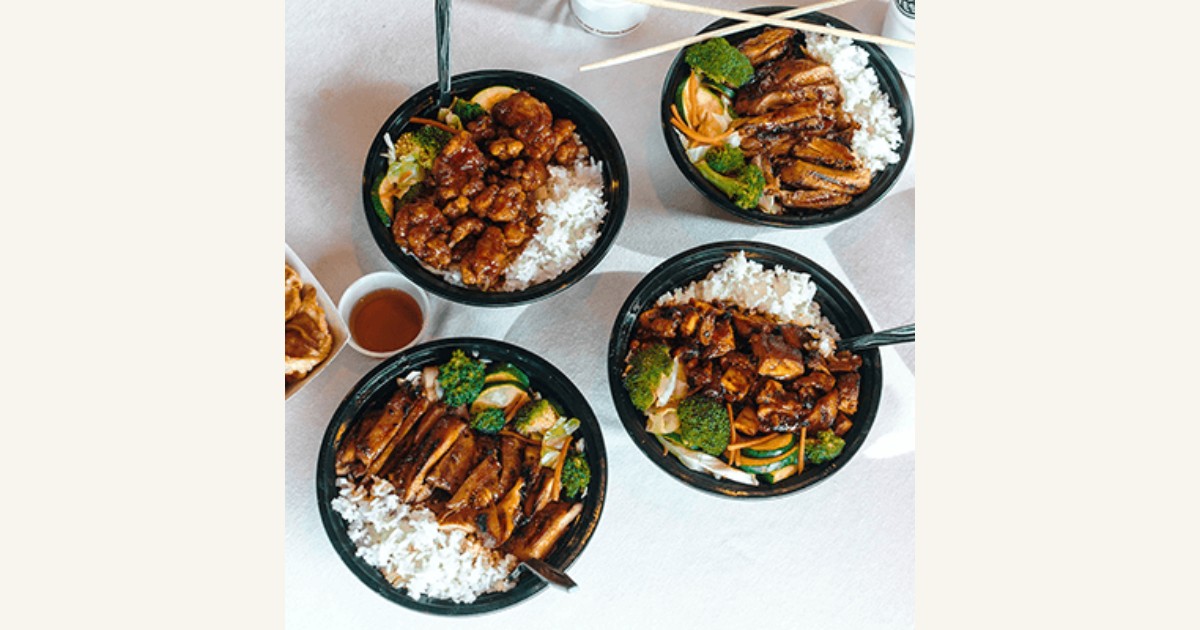
The partnership still marks a meaningful channel test for Teriyaki Madness. Bowls travel more cleanly than many restaurant products, and a short airborne trip can reduce time spent in road traffic. If the channel performs, it could give suburban restaurants another delivery option without sending a driver on each trip. The economics remain unknown because the companies did not disclose restaurant fees, customer charges, average ticket, labor requirements or order-volume expectations.
Zipline brings an established operating base to the test. In an October 9 company update about its Austin expansion, Zipline said its systems had flown more than 140 million commercial autonomous miles and completed more than 3 million deliveries. Those network figures provide context for the platform, but they do not establish Denton-specific speed, demand or profitability.
Teriyaki Madness describes itself as a chain of more than 200 shops across more than 40 states. A single live unit therefore offers a contained way to learn before broader deployment. The most useful signals to watch next are the identity and timing of the second participating restaurant, published customer eligibility details and any evidence that the channel produces incremental orders.
For now, the operational fact pattern is narrow: Denton launched October 15, orders run through Zipline’s app, and the aircraft uses a tethered delivery pod. The regional ambition is real, but the schedule and footprint beyond that one restaurant remain unverified.