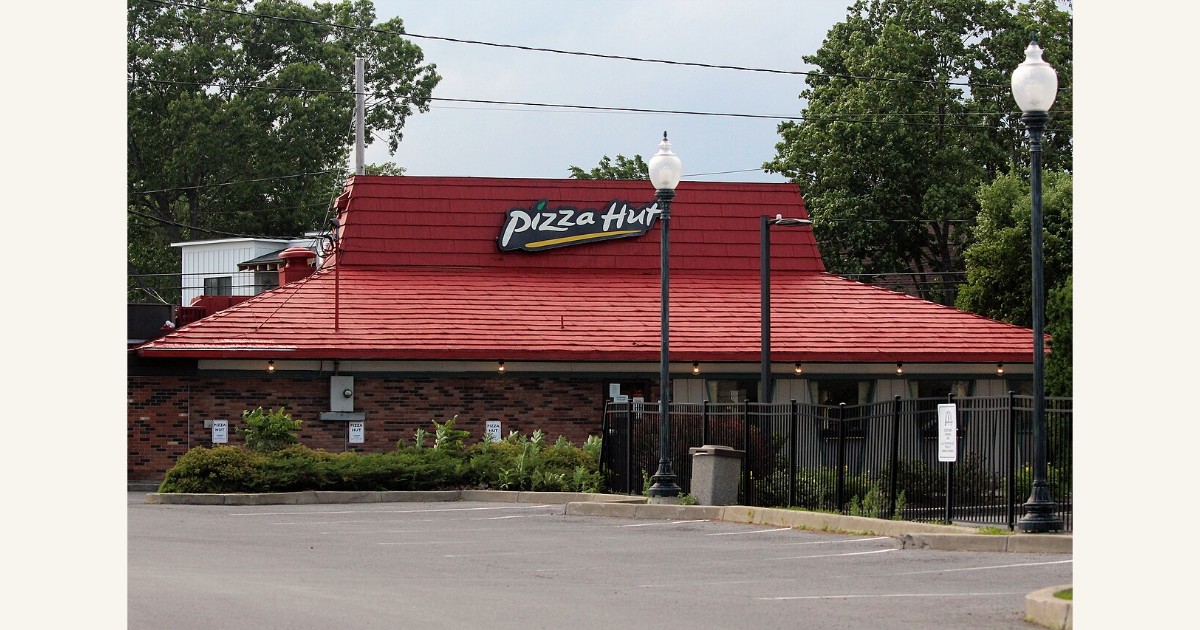
Pizza Hut's new owner is preparing the brand's first whole-business securitization, using cash flow from a heavily franchised North American restaurant network to support the proposed notes.
KBRA assigned preliminary ratings November 10 to four classes of notes from Pizza Hut Issuer LLC. The rating agency says Pizza Hut of America will contribute substantially all of its North American revenue-generating assets to the issuer. Proceeds are expected to refinance existing corporate debt, pay transaction expenses and support general corporate purposes, including strategic investment in the U.S. and Canadian businesses.
The transaction is preliminary. KBRA's announcement describes preliminary ratings and does not say the notes have closed. It also does not disclose a final issuance amount in the public release. Any headline stating that a specific amount has been completed would go beyond the primary evidence available here.
What supports the debt
KBRA says the securitized network generated approximately $5.4 billion in systemwide sales during the 12 months ended with the second quarter of 2026. It included approximately 6,678 restaurants in the United States, Canada, certain U.S. territories and U.S. military locations worldwide. More than 99% were franchised.
Those figures explain why restaurant brands use whole-business securitizations. The collateral is not a portfolio of restaurant buildings. It is the contractual revenue stream produced by a large franchise system and other North American brand assets placed into a bankruptcy-remote issuing structure. Franchise royalties and related payments can offer recurring cash flow even though most restaurants are owned by independent operators.
The same structure also creates a long-term discipline. Debt service competes with other uses of cash, and transaction documents typically impose performance tests and cash-management rules. KBRA's short public release does not provide the detailed covenants, amortization schedule or final coupon, so those terms should not be inferred.
A financing move after the ownership change
The timing matters. Yum Brands completed the sale of Pizza Hut outside mainland China to LongRange Capital on September 1 for approximately $1.5 billion, subject to adjustments and a possible $75 million earn-out by 2030. The securitization announcement followed roughly 10 weeks later.
Yum had separately sold Pizza Hut's mainland China business to Yum China. The two transactions totaled $2.7 billion, subject to purchase-price adjustments. The North American securitization therefore belongs to the LongRange-controlled Pizza Hut business, not Yum Brands' continuing KFC, Taco Bell and Habit portfolio.
KBRA does not say that the securitization proceeds will reimburse the acquisition price. Its stated uses are narrower: refinance existing corporate debt, pay transaction expenses and provide general corporate funding, including strategic investment in the U.S. and Canada.
For operators, the most relevant part is the strategic-investment language. A franchise-heavy network can create financing capacity at the parent level, but restaurant performance ultimately supports the royalty stream. Whether new capital reaches stores through equipment, marketing, technology, remodels or franchise support is not specified in the rating announcement.
The Braisepoint read
The transaction turns Pizza Hut's scale into a capital-markets asset soon after its separation from Yum. The 6,678-location collateral network is large, but the more important figure may be the franchise mix: above 99%, according to KBRA. That concentrates operating capital and restaurant-level risk among franchisees while the brand owner finances against system cash flow.
The next useful documents will be the final ratings, issuance size, pricing and transaction covenants. Until then, the accurate frame is a proposed inaugural securitization—not a completed billion-dollar deal—and a test of how LongRange plans to finance Pizza Hut's post-Yum turnaround.