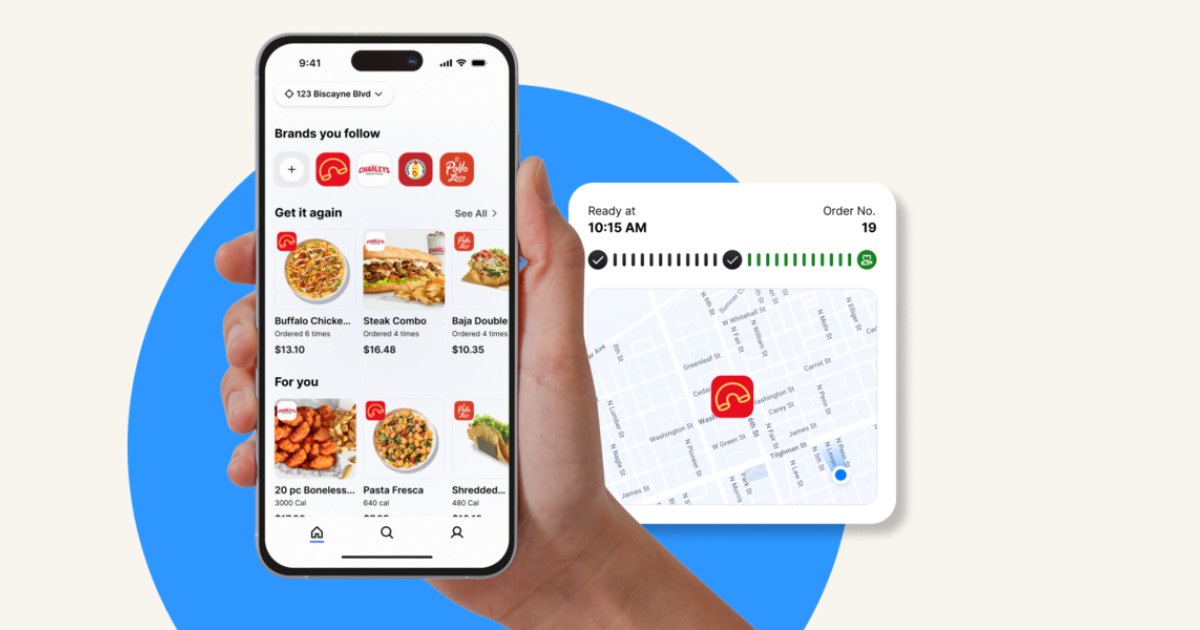
Deliverect and Yext have launched an integration designed to keep restaurant information synchronized across search engines, maps and AI assistants without requiring operators to update each channel manually.
The connection sends operational data from Deliverect into the Yext Knowledge Graph. The companies say that includes menus, opening hours, item availability and allergen information. Yext’s integration listing adds that menu items, options, prices and images can be mapped alongside location details such as address, phone, hours, time zone and accepted payment methods.
The business problem is familiar: a restaurant changes an hour, sells out of an item or edits a menu, but an old version remains visible somewhere else. That creates guest complaints and order failures while staff spend time chasing listings. The Deliverect–Yext link is intended to make the operating system the update source and let Yext distribute the change.
Deliverect announced the partnership on its own press page dated October 7. A PR Newswire release was distributed October 8. The one-day difference is a publishing-date difference, not evidence of two separate launches.
The integration is relevant beyond conventional search. Restaurant discovery is increasingly mediated by AI products that answer a question directly rather than send a guest to a brand’s website. If those systems pull from incomplete or stale listings, the restaurant can lose the order before a guest reaches the menu. Structured data that includes availability and allergens is more useful than a static name-address-phone record.
There are still important limits. Neither company’s announcement identifies which AI assistants receive which fields, how quickly every downstream surface refreshes or what happens when a marketplace rejects an update. The companies also do not provide a public price for the integration or an independent measure of hours saved.
Deliverect says its platform serves more than 80,000 restaurant locations in more than 70 countries. That figure describes the technology company’s customer reach; it is not a restaurant-unit count for either partner and is not recorded as such in Braisepoint’s intelligence field.
For multiunit operators, the integration’s value will depend on governance. A faster pipeline can distribute accurate information, but it can also distribute a bad source record faster. Brands still need clear ownership of menu, hours, allergen and availability fields, plus an exception process when local restaurant reality differs from the central system.
The most useful way to evaluate the partnership is operational: measure listing discrepancies, failed digital orders, refund requests and staff time spent correcting third-party records before and after deployment. The announcement describes the plumbing. Those outcomes will show whether it reduces real work.