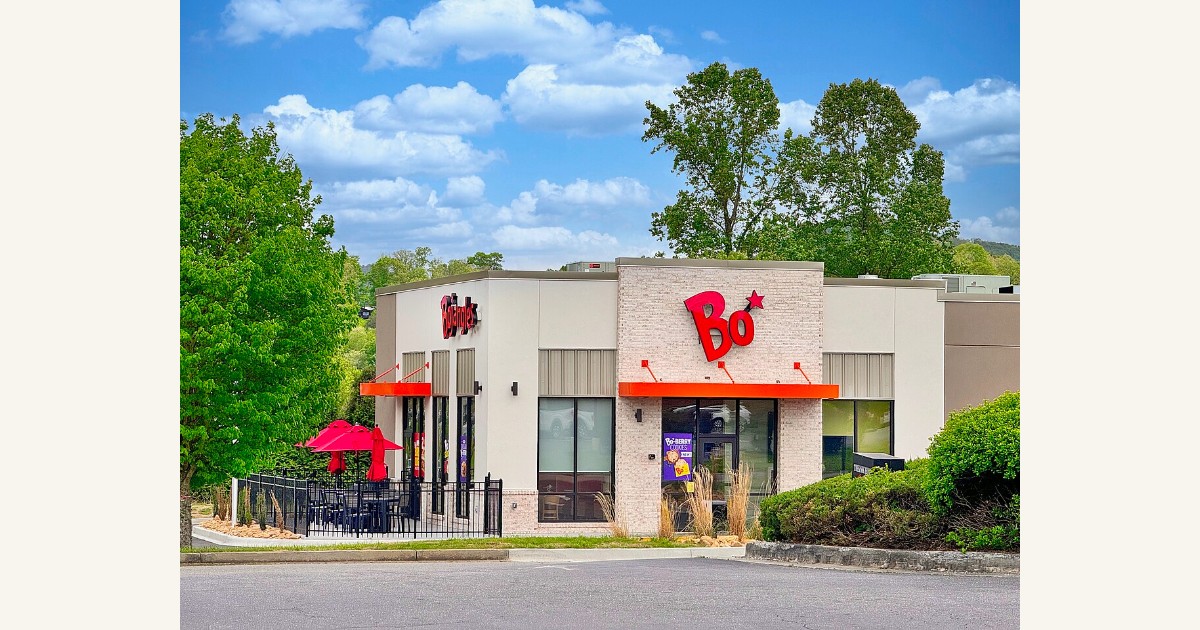
Bojangles plans to add its Bo-Linda voice-ordering system to 100 more drive-thrus by mid-2027 after extending its partnership with Hi Auto for multiple years. The companies say the system is already live in nearly 500 restaurants and processes more than 1 million orders each week.
Those figures make this more than another restaurant AI pilot. Bojangles has more than 890 restaurants, according to the company, so the planned expansion would put automated order taking in roughly two-thirds of the system if the existing footprint and rollout both hold. Restaurant Dive reached the same broad conclusion, though neither source published a restaurant-by-restaurant deployment list.
The more interesting part of the agreement is what comes next. Hi Auto says Bo-Linda will gain a dynamic upselling feature that changes recommendations according to drive-thru queue length. When the line is long, it is designed to surface items that can be prepared faster. The current upsell engine already uses daypart, weather and inventory.
That is an operations decision, not simply a marketing feature. Traditional suggestive selling asks the same commercial question at every moment: what else might the guest buy? Queue-aware selling adds a second constraint: what can the kitchen and drive-thru absorb without making service worse? If it works as described, Bojangles could protect throughput while still pursuing incremental check growth.
The companies also disclosed a new XPI connection between Bo-Linda and Global Payments' Genius point-of-sale platform. They say the connection is intended to reduce latency and reliability problems that have limited voice AI at scale. At dual-lane drive-thrus, the system pairs each order with an image of the vehicle so employees can match orders when lanes merge.
Hi Auto reports a 98% order-completion success rate for Bo-Linda and says the platform includes a human fallback. Those are vendor and company claims, not independent performance audits. The release does not disclose intervention rates, order-accuracy methodology, labor-hour changes, sales lift, franchisee costs or the economics of the renewed contract.
That missing data matters. Voice AI can appear successful if a system completes most conversations, but operators ultimately need to know whether it improves speed, accuracy, throughput and labor deployment at a cost that franchisees can support. Bojangles did include a favorable franchisee testimonial, but one operator's experience is not a systemwide measurement.
The scale is still notable. Bojangles and Hi Auto began their current partnership in 2024, and the restaurant company named Hi Auto its Legendary Supplier of the Year in 2025. Moving from 100 restaurants to nearly 500, then committing to another 100, indicates that the chain views voice ordering as operating infrastructure rather than a temporary experiment.
For other restaurant operators, the strategic signal is the queue-aware logic. The next competitive phase in drive-thru AI may be less about whether a bot can understand an order and more about whether it can coordinate demand with real-time kitchen capacity. That requires reliable menu availability, inventory data and point-of-sale connectivity—not just a convincing voice.
Bojangles did not identify which 100 restaurants will receive the technology or provide a month-by-month rollout schedule. The verified commitment is therefore 100 additional drive-thrus by mid-2027, not a promise that every Bojangles restaurant will adopt Bo-Linda.