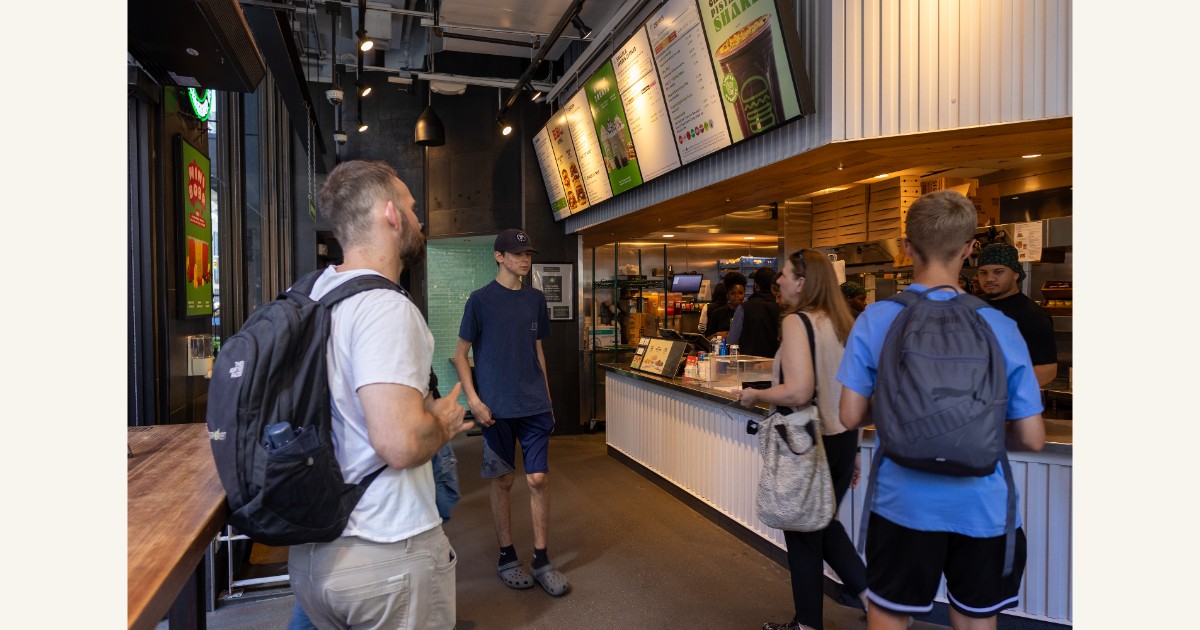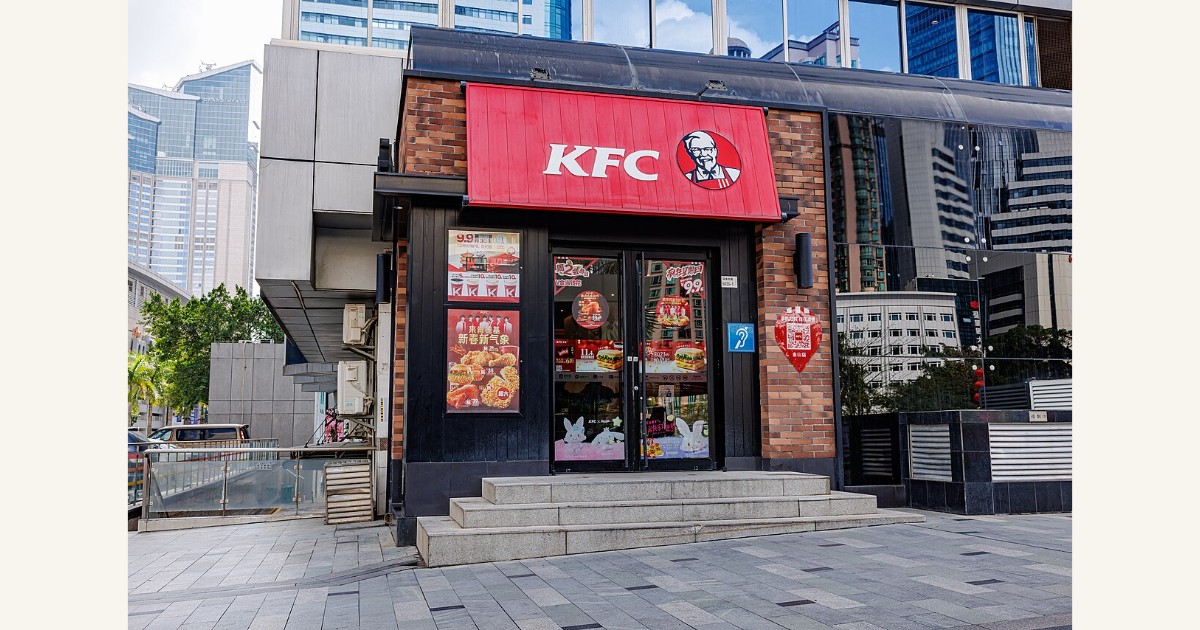
Yum China has crossed 20,000 restaurants and is now setting a much faster clock for its next phase: 30,000 stores by 2030.
The company announced the milestone November 12 during its annual restaurant general manager convention in Chengdu. The footprint now spans more than 2,800 cities and towns in China. To mark the moment, Yum China said it opened six stores simultaneously—one for each mainland brand it operates: KFC, Pizza Hut, Lavazza, Taco Bell, Little Sheep and Huang Ji Huang.
The pace is the important number. Yum China says it took 33 years, beginning with China's first KFC in 1987, to reach 10,000 stores. The second 10,000 took six years. Reaching 30,000 by 2030 would mean adding the next 10,000 within four years.
That is a target, not a contracted opening pipeline. The company included the normal warning that store-opening plans are forward-looking and subject to operating, consumer and financing risks. Still, the time compression reveals how Yum China expects to grow: through a hybrid of company investment and franchising, more store formats and concepts designed for different city tiers and customer occasions.
What changes at 20,000 stores
Scale alone does not guarantee productive growth. A system this large needs formats that can reach new trade areas without simply dividing sales among nearby restaurants. Yum China highlighted side-by-side modules such as KCOFFEE cafés, KPRO and Pizza Hut Burger Bar as ways to capture demand beyond a traditional KFC or Pizza Hut visit.
The six-store milestone opening also matters because it puts all six mainland brands into the expansion story. KFC and Pizza Hut remain the company's core brands, while Lavazza, Taco Bell, Little Sheep and Huang Ji Huang give Yum China additional cuisine and occasion choices. The announcement does not provide brand-by-brand unit counts for the 10,000 stores it hopes to add, so it would be wrong to assume that each concept will expand equally.
The operating model is getting more centralized as the estate grows. Yum China said it has been piloting an AI-enabled restaurant-manager assistant called Q-Smart since 2025. Its newer AI Store Assistant connects restaurant operating data and kitchen equipment to recommend production and staffing adjustments when traffic changes. The company says the goal is faster decisions and less food waste.
Those are described capabilities, not independently measured labor or waste results. Yum China did not disclose an installed-store count, savings estimate or performance benchmark for the assistant in this release.
The company also launched an RGM One-Stop Service Center that puts IT, human resources, supply chain, finance and other requests into one interface with a dedicated case manager supported by AI. That is a significant organizational clue: the next 10,000 stores will require not only real estate and franchise capital, but support systems that keep individual restaurant managers from carrying the complexity of a much larger network.
The Braisepoint read
Yum China's next test is not whether it can open restaurants quickly; it has already accelerated from 33 years for the first 10,000 to six years for the second. The test is whether the combination of franchising, flexible formats and centralized operating tools can preserve restaurant economics while another 10,000 sites enter the system.
The most useful future disclosures will be brand-level openings, franchise mix, new-store payback and whether the alternative formats generate incremental demand. Until those arrive, 20,000 is the verified present milestone. Thirty thousand is the 2030 ambition—not today's footprint.