Wingstop's third-quarter results show how a fast-growing restaurant system can keep expanding even while existing-store demand weakens. System-wide sales increased 6.0% to $1.437 billion, but domestic same-store sales declined 5.4%.
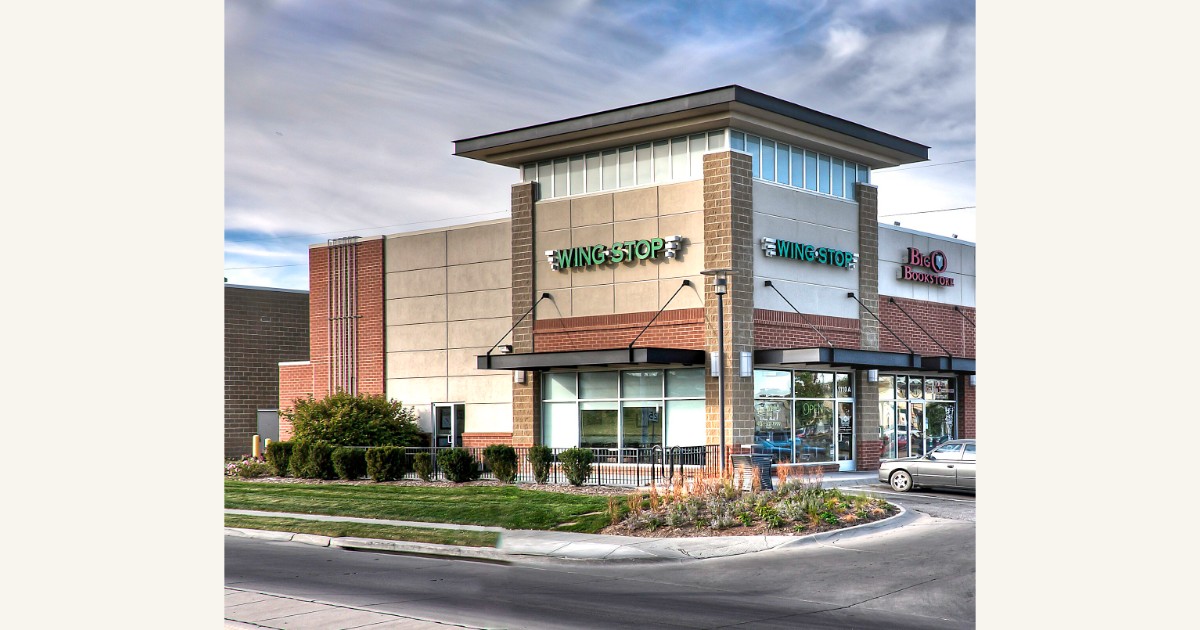
New restaurants supplied the counterweight. Wingstop opened 76 net new restaurants during the quarter and ended September 26 with 3,331 system-wide locations. The total included 2,787 U.S. restaurants and 544 international restaurants, including U.S. territories.
The split matters for franchise operators. Wingstop said royalty revenue, franchise fees and other revenue gained $8.6 million primarily from net new franchise development, but lost $3.6 million from the domestic comp decline. In other words, development kept the royalty engine growing while lower transactions weakened the existing base.
Domestic average unit volume fell to $1.848 million from $2.061 million a year earlier. The company attributed the domestic same-store decline to lower transaction volumes and continued pressure on consumer spending. Digital sales still represented 73.7% of system-wide sales, showing that a high digital mix does not by itself protect traffic.
Total company revenue increased 5.3% to $185.1 million, and net income rose 2.2% to $29.1 million. Adjusted net income and adjusted earnings per share each declined 3.5%, while adjusted EBITDA increased 0.5% to $64.0 million.
Company-owned restaurants also showed cost pressure. Cost of sales rose to 78.2% of company-store sales from 74.8%. Wingstop cited higher fries and packaging costs, rent, repairs and maintenance, labor at acquired restaurants, and the effect of lower sales on fixed labor and operating expenses.
Management said it is sharpening marketing execution, strengthening restaurant operations and using Club Wingstop to deepen guest relationships. The release did not quantify early results from those changes, and CEO Michael Skipworth said sales improvement is taking time.
Wingstop now expects domestic same-store sales to decline approximately 6.5% to 7% for fiscal 2026. At the same time, it expects 440 to 450 global net new units, equal to 14.4% to 14.7% unit growth. That combination puts development and franchisee restaurant economics on the same scorecard.
For operators, the quarter is a reminder that system sales can rise while the average restaurant faces a harder year. New units broaden the royalty base, but weaker transactions, lower AUV and higher fixed-cost absorption pressure land at store level. The most important follow-up is whether operations and marketing can stabilize existing-store demand before another 440-plus restaurants join the system.