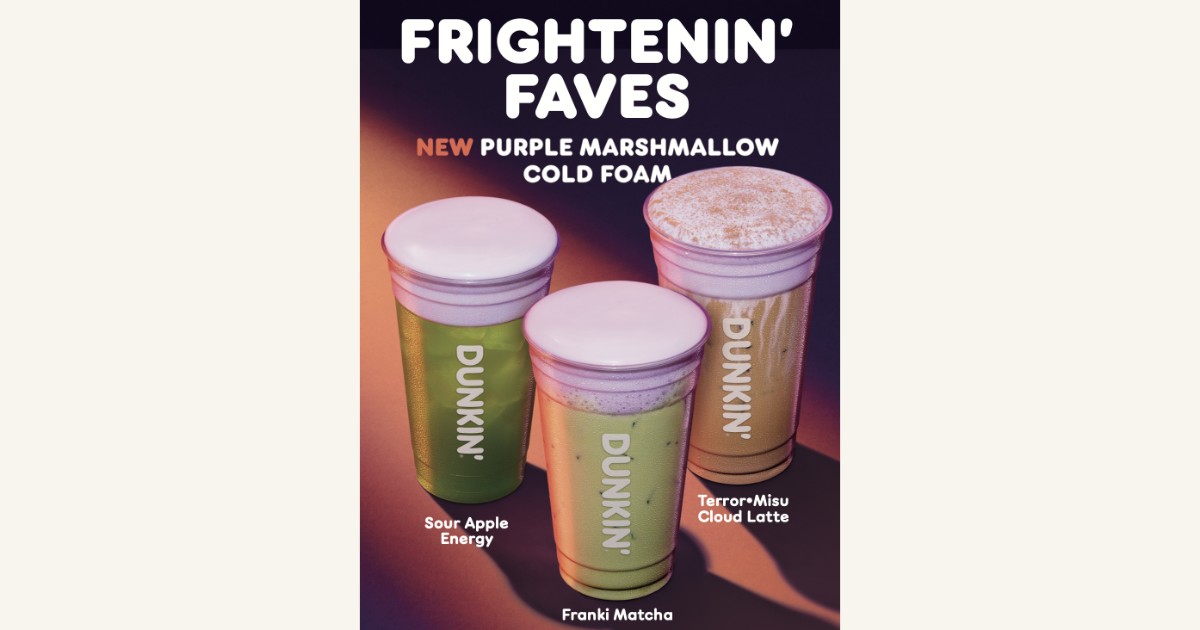
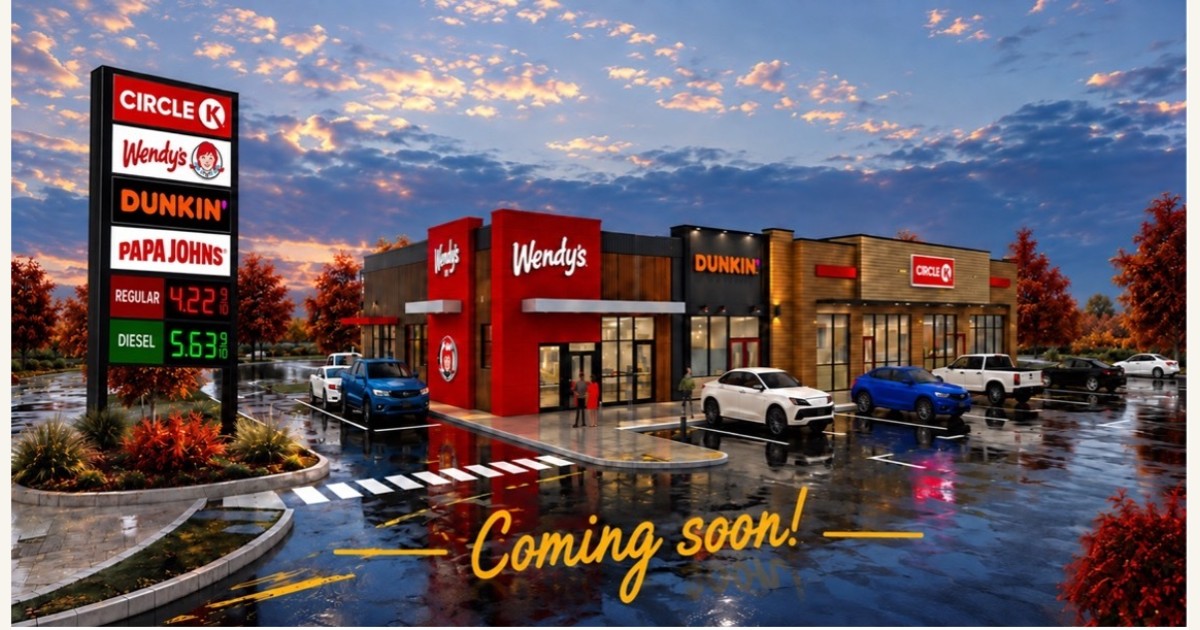
Walmart is expanding beyond groceries and household goods by putting restaurant ordering inside the same delivery system. Dunkin’ will be the first major restaurant brand in that expansion.
Walmart said September 3 that eligible customers will soon see Dunkin’ inside the Restaurants section of the Walmart app and Walmart.com. The service will begin with Dunkin’s 150 locations inside Walmart stores, then expand toward a majority of Dunkin’s roughly 10,000 U.S. locations outside Walmart stores.
The important change is not simply that Walmart can deliver coffee. Customers will be able to order a Dunkin’ beverage, doughnut or sandwich through the same platform they already use for groceries and household essentials. Walmart said its system is intended to support restaurant items alongside other Walmart orders, although availability will depend on the customer’s delivery address.
For Dunkin’, the arrangement creates another digital storefront without requiring the brand to build a new ordering network. It also places Dunkin’ in front of Walmart customers at the moment they are already assembling a broader household order. That could turn a restaurant purchase that normally requires a separate decision into an add-on to an existing delivery.
For Walmart, the partnership is a larger strategic move. The company says approximately 90% of the U.S. population lives within 10 miles of a Walmart location. Adding restaurants gives Walmart another way to use that footprint and its last-mile delivery operation while competing for occasions currently handled by dedicated restaurant-delivery platforms.
The rollout will test whether customers value consolidation more than specialization. A restaurant marketplace may offer more dining choices, but Walmart can offer a single destination for dinner, coffee, groceries and household supplies. If that convenience changes ordering behavior, other restaurant brands will have a reason to seek similar placement.
What happens next is scale. Dunkin’ begins with its Walmart-based locations, and the companies plan to make most of the chain’s freestanding U.S. restaurants available later. The pace of that expansion, participating markets, fees and the experience of combining restaurant and retail items will determine whether this becomes a meaningful restaurant channel or remains an extra ordering option.