KFC’s newest value play is not a discounted family meal. It is a smaller occasion engineered around a $3.49 starting price.
The chain launched Go Buckets on October 5 at participating U.S. restaurants. Each order pairs one of three chicken portions—four nuggets, two wings or one tender—with an individual order of Secret Recipe Fries or potato wedges. Prices start at $3.49, creating six combinations from the three proteins and two sides.
The offer comes with important limits. Price and participation may vary, the buckets are available while supplies last, and tax, tip and fees cost extra. A beverage is not included. That makes the starting price easy to understand, but it should not be compared directly with a bundled combo that includes a drink.
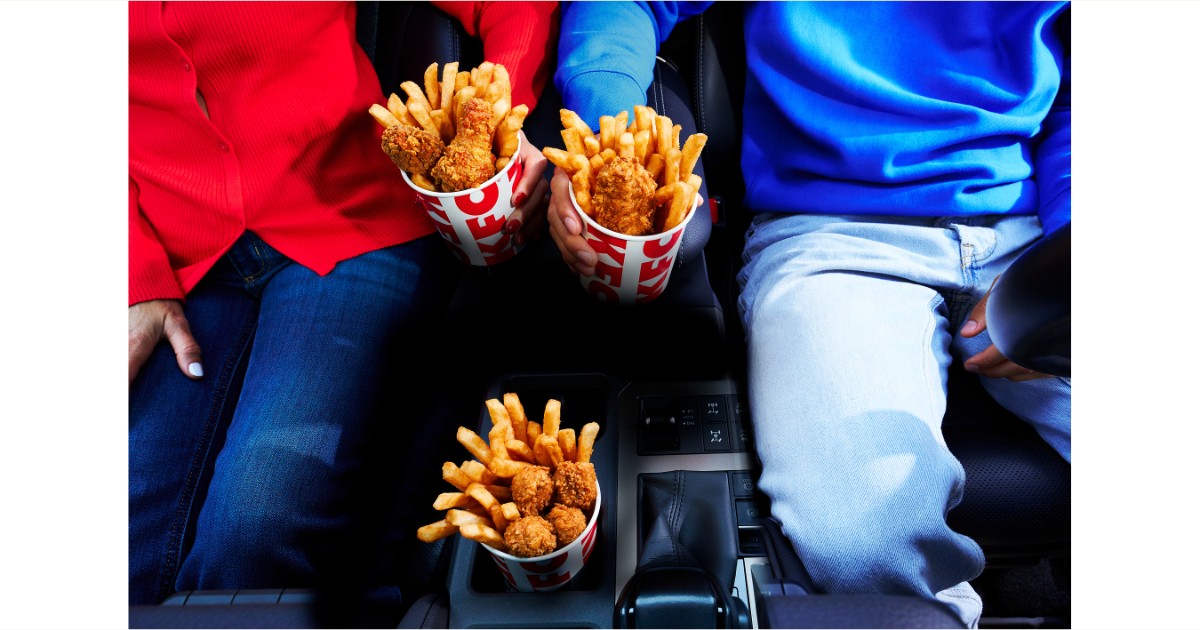
The packaging is part of the product strategy. KFC says this is its first bucket designed to fit in a standard car cupholder. The individual format is meant to be held easily and eaten between traditional meals, translating one of the chain’s most recognizable assets from a family-sharing package into a single-person snack.
That design reveals the business logic. Restaurant value competition usually focuses on full meals, multi-item bundles or loyalty offers. KFC is instead protecting a low advertised price by narrowing the portion and defining a different use case. The company can put a $3.49 number on the menu without positioning the bucket as a complete lunch or dinner.
KFC says the six combinations contain 16 to 18 grams of protein. The company also points to two behavioral trends: Datassential research in which 87% of consumers reported snacking outside traditional mealtimes, and National Restaurant Association data saying nearly three in four restaurant orders are now taken to go. Those are company-cited industry figures, not performance results for Go Buckets.
The format also lets customers decide how far to extend the value. One bucket can work as a snack; multiple buckets can feed a group; and a drink or sauce can raise the check. KFC’s marketing language explicitly presents both individual and group occasions, giving the chain an entry price that can still lead to a larger transaction.
There is a familiar idea underneath the new name. KFC sold cupholder-oriented Go Cups beginning in 2013. The 2026 version returns to that portability concept but wraps it in the bucket equity KFC has used since 1957. The update is less about inventing car-friendly chicken than about making an old convenience cue feel native to the current value menu.
For operators and competitors, the notable move is the relationship between portion, package and price. KFC did not simply cut the price of an existing meal. It designed a smaller product that could credibly own a sub-$4 threshold and an afternoon or on-the-road occasion.
The measure of success will be whether Go Buckets create incremental visits rather than replace higher-check meals. If customers add drinks, sauces or a second bucket, the format can function as both a traffic driver and a check-building platform. If they trade down from combos, the same $3.49 headline could pressure mix. KFC has built the entry point; attachment and occasion will determine its economics.