Jersey Mike’s opened 83 restaurants in three months. But the strongest number in its first quarterly report as a public company was not the opening count. It was customer traffic.
Comparable sales rose 2.3% during the quarter ended June 28, primarily because of transaction growth. Systemwide sales increased 10% to $1.21 billion, and company revenue also increased 10%, reaching $208 million.
That combination—more restaurants and more visits to existing restaurants—is difficult to produce at the same time.
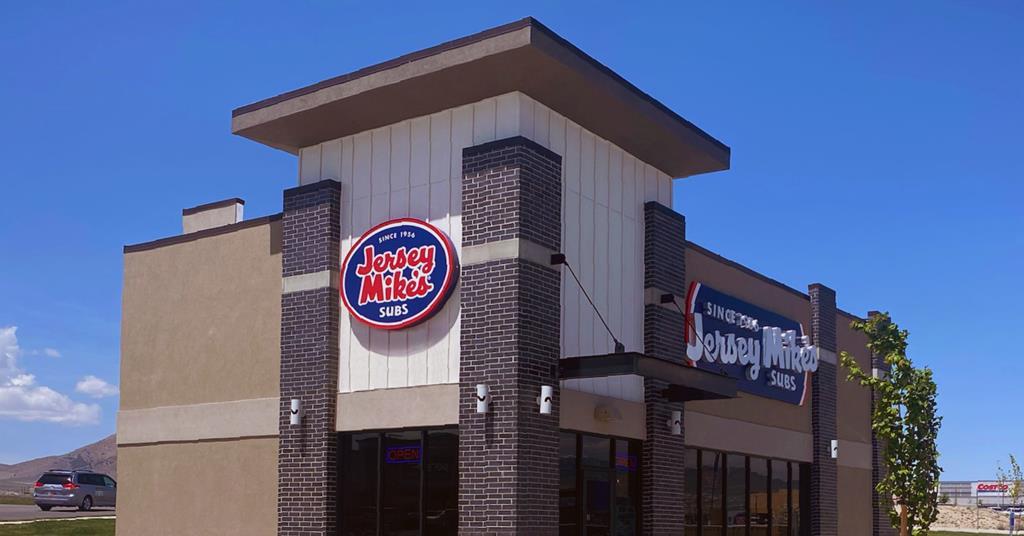
Jersey Mike’s is a fast-casual sandwich chain built around made-to-order subs, freshly sliced meats and cheeses, and its familiar “Mike’s Way” preparation. Founder Peter Cancro began working at the original Point Pleasant, New Jersey, sandwich shop as a teenager, purchased it at 17 and later developed the franchise system. Former Wingstop chief Charlie Morrison became CEO in 2025, while Cancro moved into the chairman role.
The company finished the quarter with 3,378 restaurants. Opening 83 units during the period contributed to 8.1% net restaurant growth from a year earlier.
That pace is significant, but restaurant count alone can conceal weak growth. A chain can increase system sales simply by adding locations while visits decline at mature stores. Jersey Mike’s reported the more useful combination: new units expanded the system while transactions helped lift comparable sales at existing restaurants.
Management said the transaction improvement continued into the third quarter. Jersey Mike’s expects comparable sales to rise 2.5% to 3% for the full year and 3% to 4% in the current quarter.
The operating question now moves from demand to replication.
Every new Jersey Mike’s needs people who can slice, portion, assemble and serve quickly while maintaining the customer-facing energy of an established shop. Eighty-three openings create 83 new tests of training, franchisee support and local execution. Growth becomes less impressive if speed, accuracy or hospitality weaken as the system expands.
The company is also widening its audience. CEO Charlie Morrison told The Wall Street Journal that Jersey Mike’s strongest historical customers have come from Generation X and baby boomers. The chain is using more digital media, influencers and playful messaging to improve its relevance with Generation Z.
That effort has a logical connection to physical growth. New restaurants need awareness in new trade areas, and younger customers increasingly discover brands through digital channels. But attention is only the first visit. The restaurant experience must earn the second.
Jersey Mike’s also has international ambitions. Reporting around its IPO describes plans for 400 restaurants in the United Kingdom and Ireland. International expansion adds another layer of complexity: the brand must preserve what makes Jersey Mike’s recognizable while adapting real estate, supply chains and customer acquisition to new markets.
The quarter therefore produced three questions worth following.
Can transaction growth remain positive after the initial momentum? Can franchisees absorb an 8%-plus expansion pace without weakening operations? And can the company recruit younger and international customers without losing the straightforward identity that built the brand?
For now, Jersey Mike’s has evidence on both sides of the growth equation. It is opening restaurants, and customers are still walking through the doors of the ones already open.
#JerseyMikes #RestaurantGrowth #RestaurantTraffic #Franchising #RestaurantIndustry