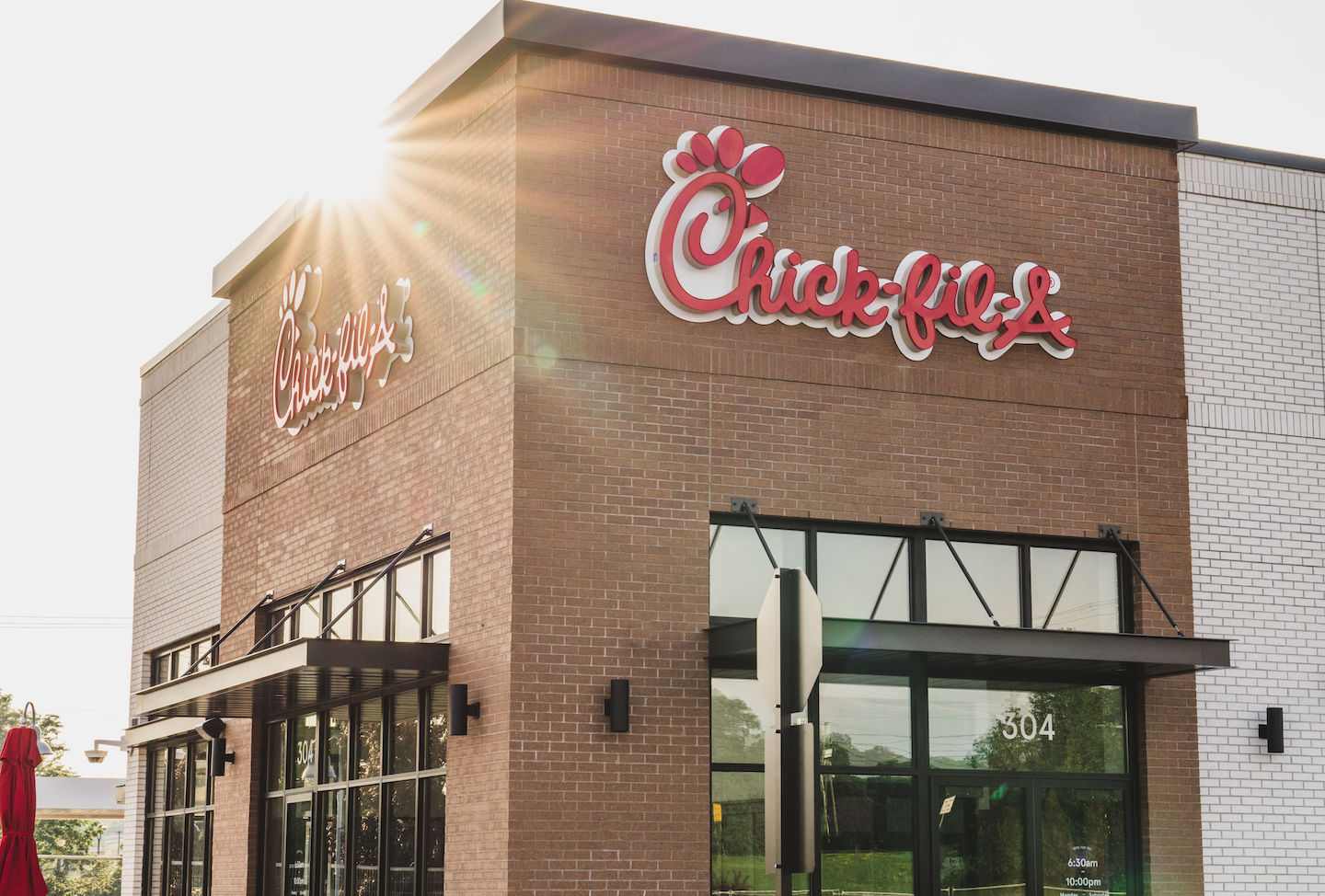
Chick-fil-A is drawing a boundary around one of the restaurant industry's most visible uses of artificial intelligence: the drive-thru order point.
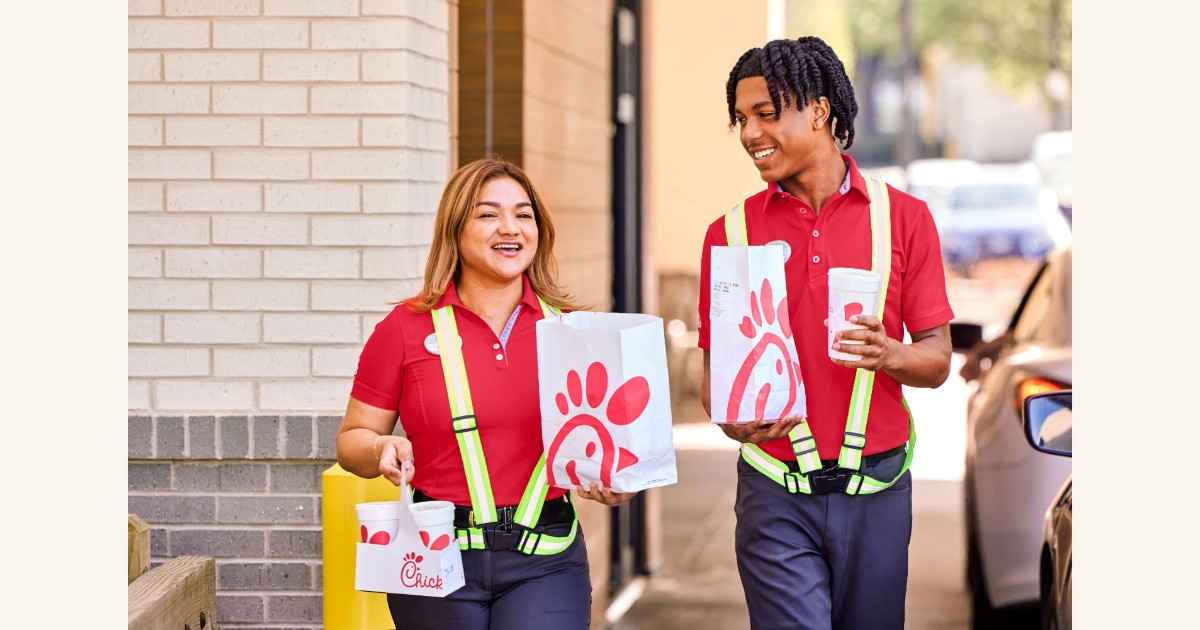
CEO Andrew Cathy told CNBC that Chick-fil-A is exploring AI behind the scenes but does not plan to replace employees who take drive-thru orders with voice automation. He described hospitality as a human-to-human interaction that the company does not want technology to substitute.
That is not a rejection of restaurant technology. It is a choice about where the brand believes automation helps and where it risks weakening the customer experience.
Chick-fil-A's elevated drive-thru in the Stockbridge/McDonough area of Georgia shows the distinction. The restaurant opened in August 2024 with four drive-thru lanes beneath an elevated kitchen. A conveyor system can deliver a meal from the kitchen to a team member every six seconds, and the format can support two to three times as many vehicles as a standard Chick-fil-A drive-thru.
Yet the customer-facing order options remain human-plus-digital rather than fully automated. Guests can order ahead in the Chick-fil-A app and use dedicated Mobile Thru lanes, or they can place an order with a team member in traditional drive-thru lanes. Employees still hand meals to guests.
That operating model offers a useful framework for restaurant leaders evaluating AI. Chick-fil-A is automating movement, capacity and coordination while protecting the conversation at the speaker post. In other words, it is separating tasks by brand value rather than treating every automatable task as one that should be automated.
The decision carries weight because Chick-fil-A operates at large scale and is known for drive-thru service. A chain with more than 3,000 restaurants can generate meaningful labor and throughput implications from even a narrow technology policy.
It also creates a point of contrast as major quick-service competitors test voice AI at the drive-thru. The important competitive question will not be whether one side is universally right. It will be whether automated ordering produces enough gains in speed, accuracy or labor deployment to offset any loss in warmth—and whether consumers notice the difference.
For now, Chick-fil-A's answer is clear: use technology to make the operation faster and easier, but leave the order-taking conversation with a person. That is a more specific strategy than either 'embrace AI' or 'avoid AI,' and it gives operators a practical way to evaluate future tools task by task.