Carl’s Jr. is making “cooked to order” the center of its burger message. The advertising is easy to understand. The operational promise is harder.
The chain introduced what it calls the “Burger Revolution” on September 10, shifting more than 1,000 U.S. restaurants to a cooked-to-order standard under the “No Shortcuts” message. An official video emphasizes burgers prepared after a customer orders.
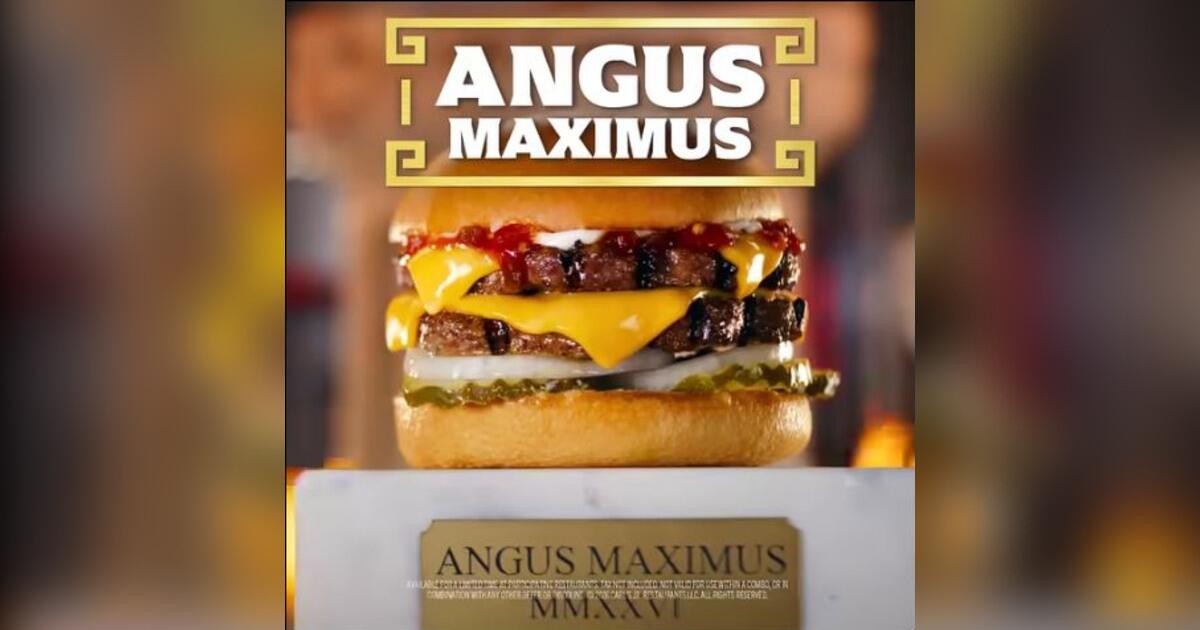
Carl’s Jr. is introducing the process with the Angus Maximus, a $5.99 limited-time burger made with two charbroiled Angus beef patties, American cheese, onions, pickles and special sauce on a toasted brioche bun. The offer is scheduled to run through October 27.
Carl’s Jr. traces its history to a Los Angeles hot-dog cart opened by Carl and Margaret Karcher in 1941. The first restaurants carrying the Carl’s Jr. name followed in 1956. Today the chain is part of CKE Restaurants, the parent company that also owns Hardee’s, and it has long made charbroiled burgers central to its identity.
“Cooked to order” now gives customers a more specific expectation. They are being told that their order triggers preparation rather than receiving a burger made in anticipation of demand.
That difference can be meaningful. Heat, sear, melted cheese, bun condition and assembly all deteriorate with time. Reducing the interval between cooking and service can improve the product customers actually experience.
But freshness and speed compete for the same seconds.
Quick-service kitchens forecast demand because drive-thru customers expect food quickly, especially during lunch and dinner rushes. Preparing more burgers only after orders arrive changes the balance among grill capacity, sequencing, staffing and holding. If those parts are not designed around the promise, the likely tradeoff is longer ticket times or inconsistent execution.
Carl’s Jr. has not publicly disclosed new equipment, additional labor, revised holding limits or expected service-time changes connected to “No Shortcuts.” That absence matters. It means the available evidence supports calling this a new systemwide message, but not yet a documented systemwide operating overhaul.
The distinction protects the story from outrunning the facts.
The campaign also takes a different route from the value menus and bundle promotions dominating quick service. Carl’s Jr. is arguing, implicitly, that value can mean receiving a burger that tastes freshly prepared—not only receiving more food for fewer dollars.
That position can work if customers detect the difference. It becomes vulnerable if “cooked to order” produces neither a noticeably better burger nor an acceptable wait.
The restaurant-level test is straightforward:
Does the burger arrive hot enough and fresh enough for customers to recognize the promise? Can restaurants do it during peak volume? Can the drive-thru maintain competitive speed? And will the experience remain consistent across franchised locations?
“No Shortcuts” gives Carl’s Jr. a clear idea to own. It also gives every customer a clear standard by which to judge the chain.
The commercial introduces the promise. The drive-thru window will determine whether it is true in practice.
#CarlsJr #NoShortcuts #RestaurantOperations #DriveThru #QSR