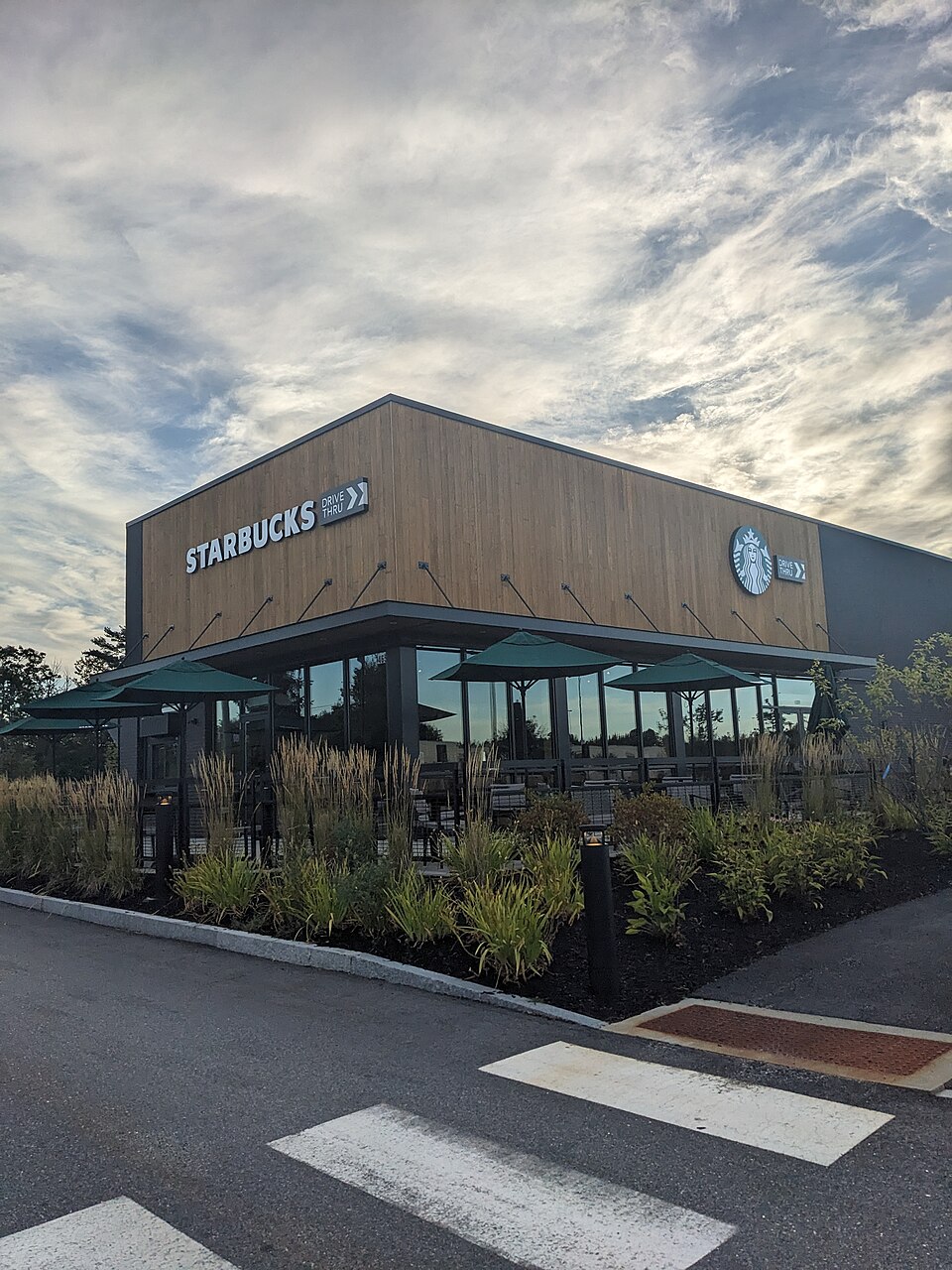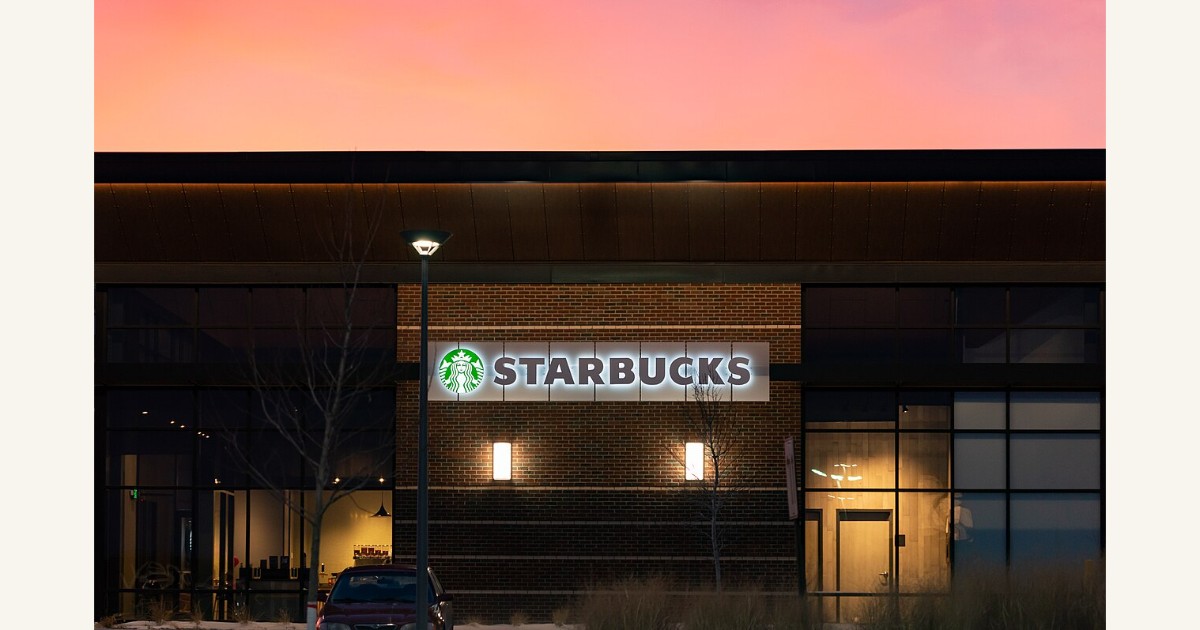
Starbucks has explored a potential acquisition of Chipotle Mexican Grill with advisers, according to an October 8 Financial Times report. That is the important headline. The equally important qualifier is that there is no confirmed offer, no announced agreement and no verified timetable.
The Financial Times reported that Starbucks had worked with advisers in recent months on a possible proposal. The newspaper could not determine whether Starbucks had submitted a formal offer or the current status of the work, and it warned that a transaction might never happen.
Starbucks did not confirm the takeover report. In a response carried by Reuters, a company spokesperson said Starbucks does not comment on rumors and speculation and remains focused on the two-year ‘Back to Starbucks’ turnaround under CEO Brian Niccol. Chipotle did not respond to Reuters’ request for comment.
That makes this a reported exploration, not a transaction. Readers should not treat it as an acquisition announcement, a signed letter of intent or even proof that the two companies are currently negotiating.
The report matters because the possible combination would join two of the best-known U.S. restaurant brands and reunite Niccol with the company he led before moving to Starbucks in 2024. But the management familiarity does not automatically solve the strategic questions. Starbucks sells beverages and café occasions across a vast international system; Chipotle runs a fast-casual food operation with a different kitchen, labor model, real-estate footprint and throughput challenge.
The clearest possible advantage sits outside the United States. Starbucks has a much broader licensed international network, while Chipotle’s overseas restaurant base is still comparatively small. A buyer could imagine using Starbucks’ market knowledge and partner relationships to speed Chipotle’s expansion. That is a potential rationale, not a disclosed plan.
The risks are more immediate. Starbucks is spending heavily on staffing and store improvements as part of its turnaround. Reuters reported that the company has committed at least $500 million to labor investments. Adding a very large acquisition could compete for capital and management attention before the turnaround has fully translated into stronger margins.
Financing would also be central. Chipotle’s market value jumped after the report, and any buyer would normally need to offer a premium. A cash-heavy deal could add debt; a stock-heavy structure could dilute Starbucks shareholders. No proposed price or financing structure has been confirmed.
There is also limited obvious operating overlap. The brands buy different core ingredients, use different store equipment and serve different dayparts, even if they attract some of the same customers. Savings would have to come from areas such as corporate functions, real estate, technology or purchasing categories that actually overlap. Neither company has identified any such synergies.
For restaurant operators and investors, the practical takeaway is to separate three levels of certainty. First, a reputable report says Starbucks explored the idea with advisers. Second, Starbucks declined to validate the report and emphasized its existing turnaround. Third, no offer, agreement, board approval, regulatory filing or closing date has surfaced.
That hierarchy is why Braisepoint is categorizing this as an unconfirmed leadership-deal development rather than a completed or pending acquisition. The story is worth watching because the scale would reshape restaurant M&A, but the present facts support diligence, not deal-celebration language.
The next material signal would be something formal: a company filing, an investor announcement, a confirmed offer, a board process or a definitive statement that the exploration has ended. Until then, the most accurate description is that Starbucks reportedly explored buying Chipotle—and the idea may never become a deal.