For younger customers, a restaurant visit increasingly can begin and end with a drink.
The National Restaurant Association’s 2026 beverage research says beverages are moving from supporting roles to traffic and revenue drivers. The group found that younger consumers are especially open to beverage-only visits and to drinks built around customization, function and experience.
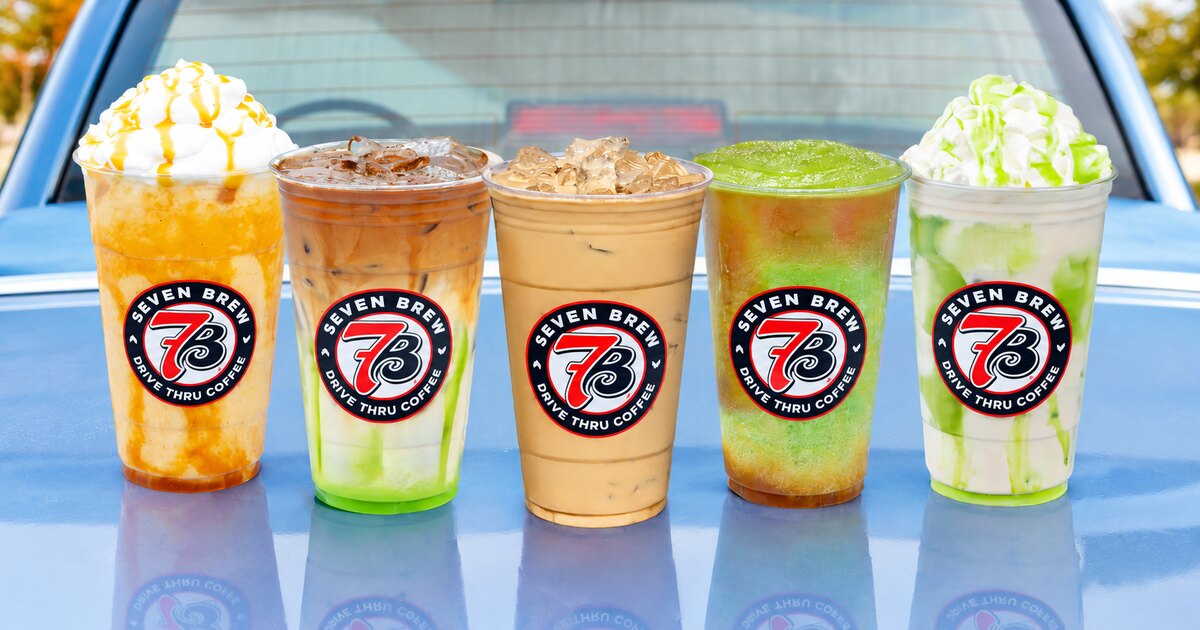
That changes how restaurants should think about value. A beverage purchase does not need a full meal to justify the trip. Coffee, flavored refreshers, energy drinks, dirty sodas and other customizable products can create an affordable occasion of their own.
The opportunity is strongest when the drink gives the customer something that is difficult to reproduce at home. Custom combinations, textures, visual presentation and limited flavors add distinction while digital ordering and loyalty programs make repeat purchases easier.
Beverage traffic also reaches beyond traditional meal periods. Mid-afternoon demand can fill a part of the day when kitchens and dining rooms may have unused capacity. A drink can then become the entry point for a snack or food add-on rather than the other way around.
There is a margin caution. Complexity can multiply ingredients, equipment and training while slowing service. A beverage strategy works only if customization produces enough demand and pricing power to cover the operational burden.
What happens next is menu discipline. Restaurants that treat drinks as a coherent platform—rather than a collection of novelty items—have a chance to build frequency without relying on a discounted meal.